
The Stakes? There Are None.
Some musings on modeling - and we ain't talkin' about the Met Gala.

So you’re coaching your kid’s tee ball team this Spring? That’s great!
Just remember: The snacks are the most important thing.
No, seriously… like, if you forget the snacks, you may as well pack in the season right then and there, because you’ve lost all credibility. The children will not listen to you from here on out. Any equity you have evaporates immediately if there are no end-of-game eats as incentive.
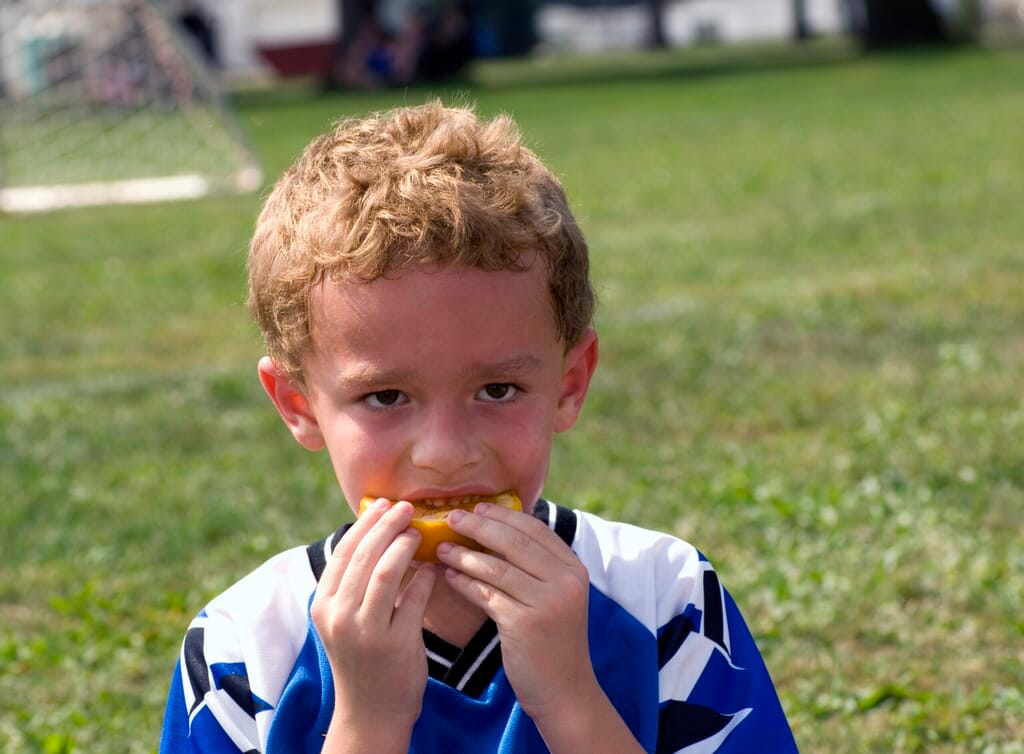
Send out that sign-up spreadsheet and make sure that shit is filled out for every week through July. Stock backup Bugles in the trunk if you must.
Yes, perhaps we’re being a little dramatic, but the point is this: What matters most to you, Coach, is not what matters most to them.
Tempering your expectations (and your temper)
Volunteering to lead or assist with any youth activity - be it baseball, soccer, dance or drama - can be incredibly rewarding. I know because I’ve done my share and enjoyed the hell out of it. (I recently had the unique pleasure of joining an Earth Day block cleanup with a group of third-grade boys who literally tackled each other over pieces of trash. Not exactly what I signed up for, but ultimately gratifying nonetheless.)
The key is knowing the stakes. And generally speaking, when it comes to youth sports, there are none.
I know that might sound wild to the wannabe Ted Lassos out there, but truly, none of it really matters. Certainly not the wins and losses, and sadly, not even the stolen bases, the goalie saves, the cellys or the slide tackles.
I say this as someone who was an overly competitive youth, loved sports of all sorts at all levels, but has the perspective of playing (and riding the bench) into college and then coaching high school baseball in my 20s (#humblebrag?😉). I’ve also worked for nonprofits, camps and youth organizations with kids ages anywhere from two to 20.
Each new season, as my own kids grow to love the same games, I’m struck by the number of adults I see losing sight of the stakes.*
We get it - this is your first go, and you’re excited, but let us remind you that this is f**king tee ball. That kid at third base has a four-inch booger dangling from his nose, and the baserunner on second just ate a whole clump of dirt. You are a glorified babysitter, not Yogi Berra. Just make sure nobody gets domed out there, aight?
(*To be clear, this happens everywhere. It’s not a city or a suburbs thing, nor is it isolated to any one sport. Overzealous adults exist at youth soccer games in Wisconsin, basketball games in New Jersey, swim meets in California, and just about everywhere in between.)
As you move up the developmental ladder, the skill level might be raised, but for the most part, the stakes are not.
What matters when it comes to youth sports is that every kid (not just your own!) has a positive experience - that they learn how to handle a little adversity, display good sportsmanship, and maybe sharpen some skills along the way. That’s really it.
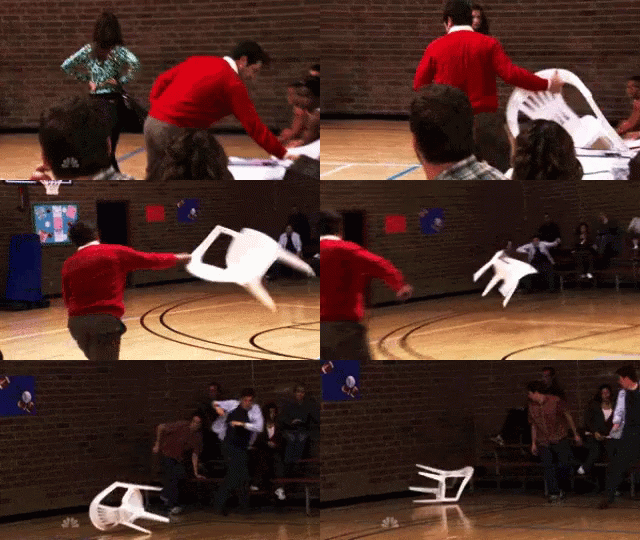
Our role, as the adults in the figurative room, is to teach and model good behavior. What does that look like? It might include (but is not limited to):
Keeping everyone engaged and safe
Maintaining an even keel and a positive attitude
Treating officials, teammates and opponents with decency and respect
Accepting outcomes and learning from them, rather than making excuses
Reminding everyone this is supposed to be FUN
On that last point - be explicit about it, as often as possible.
Before the game: “Hey, try your best and have fun out there!”
When Little Jimmy goes up to the plate: “Have fun in there, buddy - swing hard!”
After the game: “Did you have fun?”
Adult actions speak louder than any words.
One summer, around 15 or 16, my buddy and I umpired Little League games. We were learning on the fly, which any reasonable adult could have deduced, doing our best without any formal training.
That didn’t stop some parents for berating us, occasionally cursing at us, and once, even telling my friend: “Let’s meet in the parking lot after the game!” I shit you not, this grown man-baby wanted to fight a 15-year-old over a foul ball call. Other adults witnessed it, and thankfully, stepped in before any further escalation.
But a bunch of kids witnessed that as well, and who knows? Some of them may have grown up to be ump-heckling asshats themselves. I know I never forgot it, and I decided then and there I would never get on an official (certainly not one who was a kid) in anything close to that manner.
Years later, accepting the calls, even when they were objectively shitty, became one of our high school squad’s few hard-and-fast rules. Another was that you never threw your equipment in frustration (derived, in part, from my spiking a batting helmet in the dugout when I was 12, leading to a teammate’s root canal 😐).
I’d like to think those kids I coached carry the same ethos forward as adults, whether with their own kids or just in their daily decorum. I ran into a former player years ago on the street - the only one ever to be pulled from a game for violating the gear-tossing edict - and he thanked me for holding him accountable. It was incredibly fulfilling to hear he not only remembered that, but learned and grew from it.
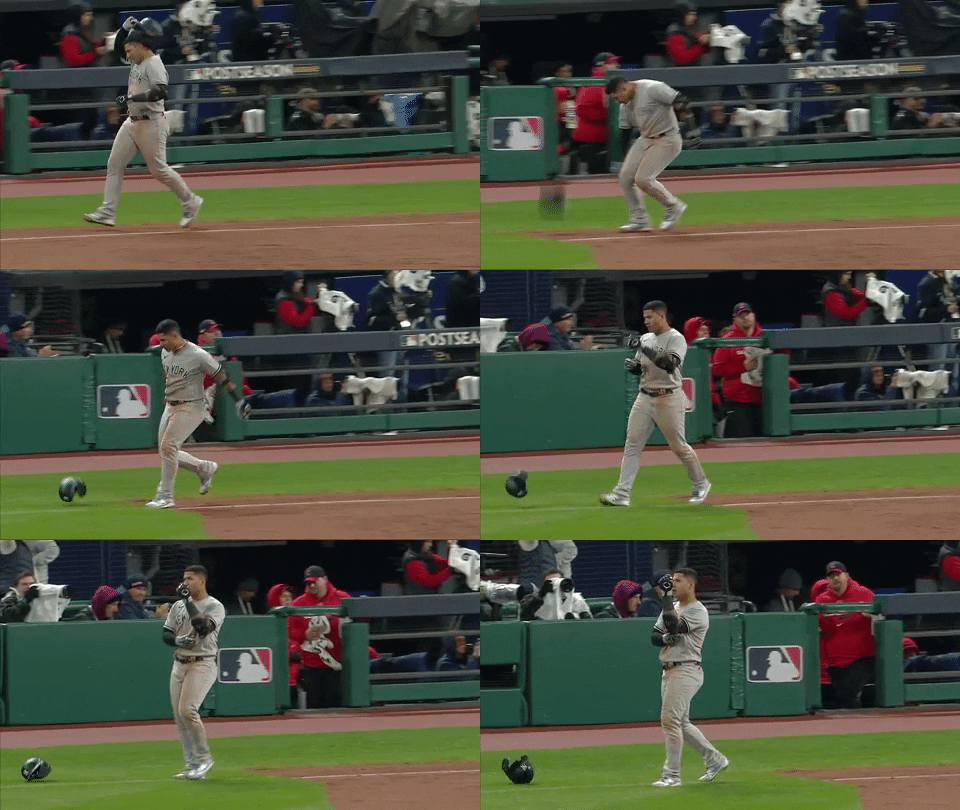
After all, what are we doing here if we’re not using sports as a vehicle to prepare kids for other aspects of life? The vast majority of them are going to end up doing other things. Best for them to learn now that the ump - or the professor, or the boss - is inevitably going to make some poor calls. You usually have to accept them and carry on. You certainly can’t respond by throwing shit, Alec Bohm-style 🙄.
Baseball, especially, is a great humbler. You’ll fail far more often than you succeed. It can quake your confidence, for sure. The real test is in your response. My son is learning that firsthand as he moves up a level this season, and it can be equal parts excruciating and exciting to watch his experience in real time.
We hit him with all the cliches: to keep trying his best, to stay even-keeled and move on to the next one. Have a short memory. Don’t take that strikeout with you to the outfield, because the ball will find you, and you’d better be ready.
But just like with the snacks, if we don’t model that same mentality and exhibit that same behavior? Our credibility is shot. They do what they learn, and they learn what they see. Let them see the good stuff, and always, always try to maintain perspective, so that they, too, understand the stakes. 😎
Great advice for all sports fans, especially parent fans